Automate the repeatable
Scheduling can help with predictable tasks such as meal timing or maintaining water availability, while owners continue checking the result.
FEEDING & HYDRATION GUIDE
Feeding and hydration are daily routines where consistency, cleanliness, portion awareness, fresh water, and dependable equipment all matter. This Petoryx guide brings those details together for a calmer approach to automatic feeders, smart fountains, waterers, and everyday meal care.
A CONSISTENT FEEDING RHYTHM
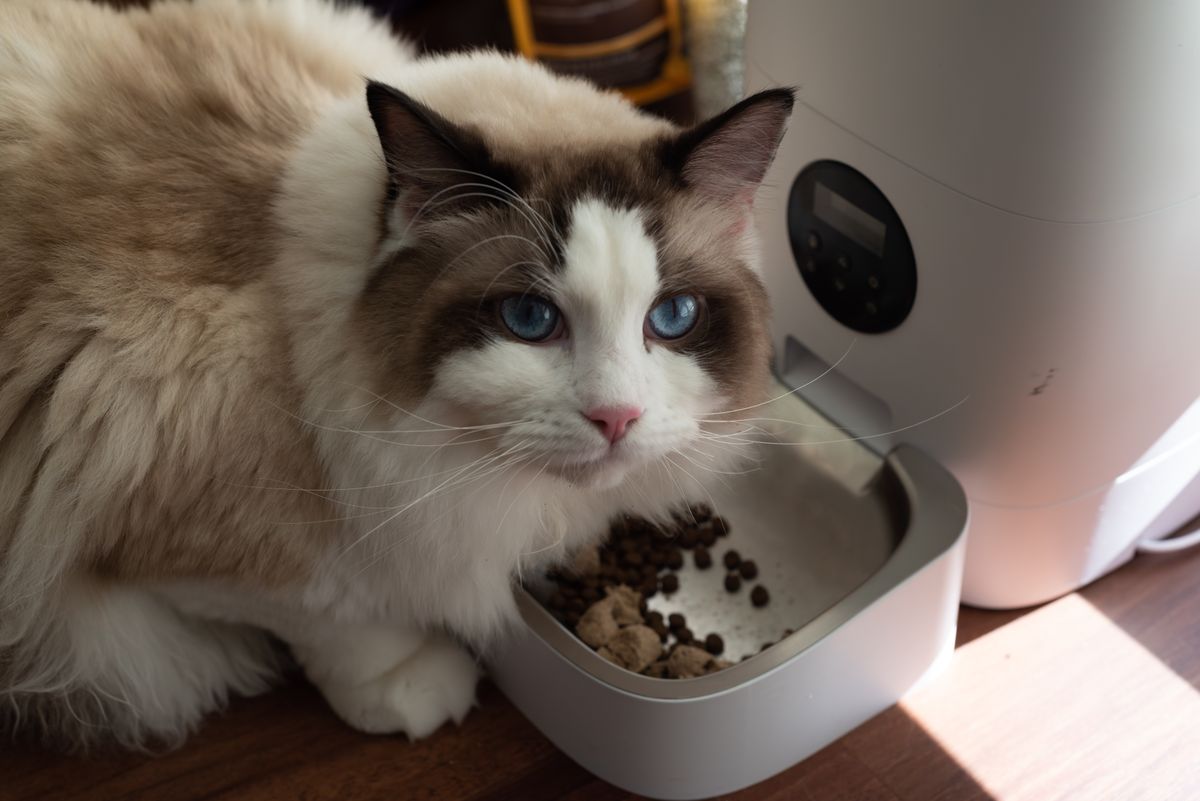
Automatic feeders can help organize recurring meal times, but the routine still benefits from human checks. Portions, food condition, dispenser movement, bowl cleanliness, power, and the pet's normal eating behavior should remain part of everyday attention.
FOUR EVERYDAY PRINCIPLES
Smart feeding and hydration products work best when they reduce routine friction without removing everyday awareness.
Scheduling can help with predictable tasks such as meal timing or maintaining water availability, while owners continue checking the result.
Bowls, hoppers, dispensers, fountain reservoirs, drinking surfaces, filters, and removable components need regular attention.
Connected fountains can support circulation and convenience, but fresh water still depends on cleaning, refilling, and confirming proper flow.
Changes in eating or drinking patterns deserve attention even when the equipment itself appears to be working normally.
PORTION AWARENESS
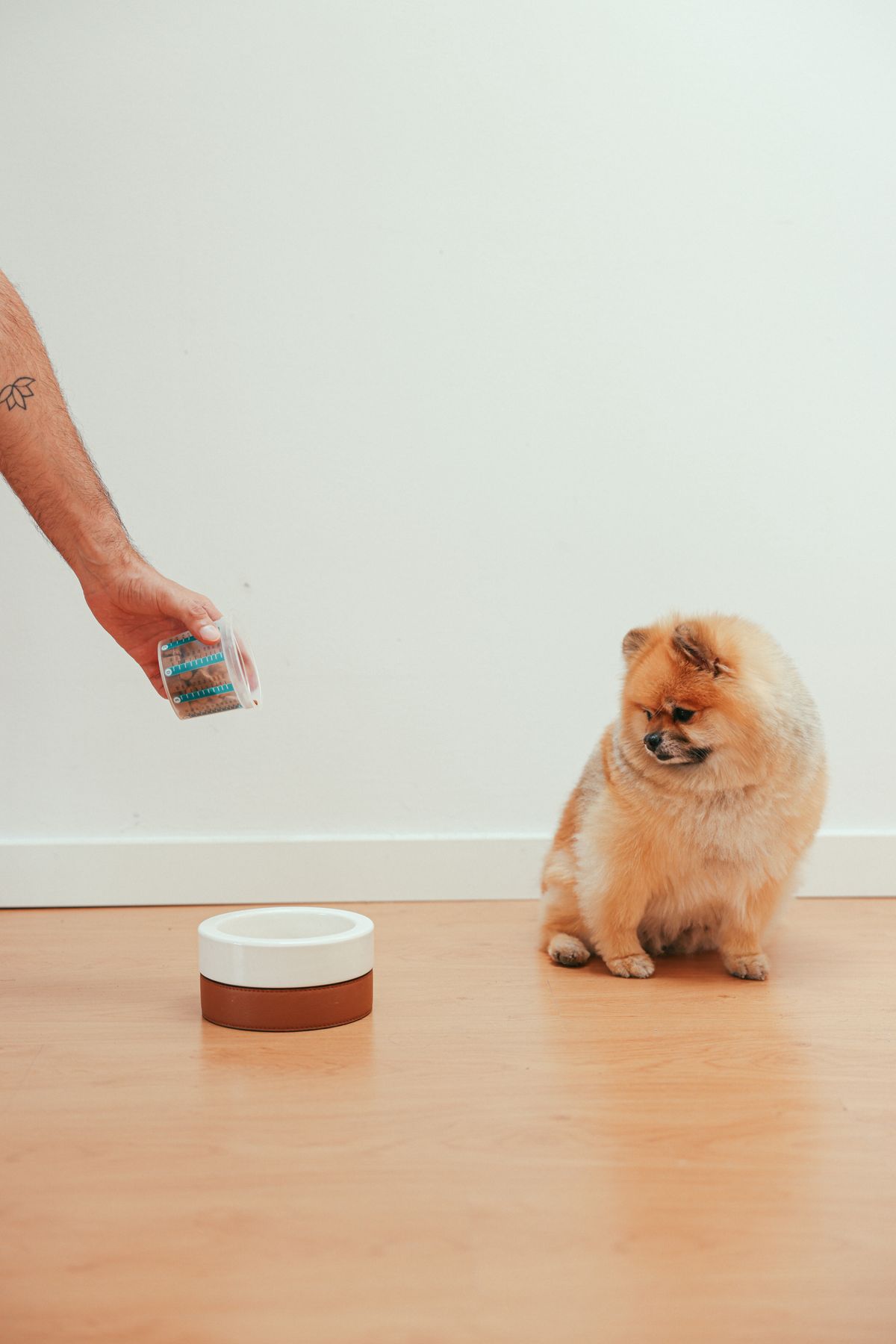
Smart feeding can improve consistency, but programming is only one part of the routine. Food size, hopper level, dispensing movement, bowl position, and the way the individual pet eats can all affect what happens after a meal is scheduled.
FEEDING & HYDRATION MAP
A dependable feeding and hydration setup is not only about the device. Timing, portions, water quality, cleanliness, power, and direct observation all work together.
Scheduled feeding can help create predictable meal times, but the schedule should still be reviewed as routines change.
Check what the feeder actually dispenses and make sure the meal remains accessible to the intended pet.
Keep food storage areas dry and clean, monitor what remains in the hopper, and follow appropriate storage practices.
Refill before the reservoir becomes too low and confirm that water is reaching the drinking area correctly.
Food bowls, water surfaces, reservoirs, removable components, and filters should remain part of the regular cleaning routine.
Smart equipment can organize tasks, but direct observation remains important for noticing meaningful changes in normal habits.

HYDRATION ROUTINE
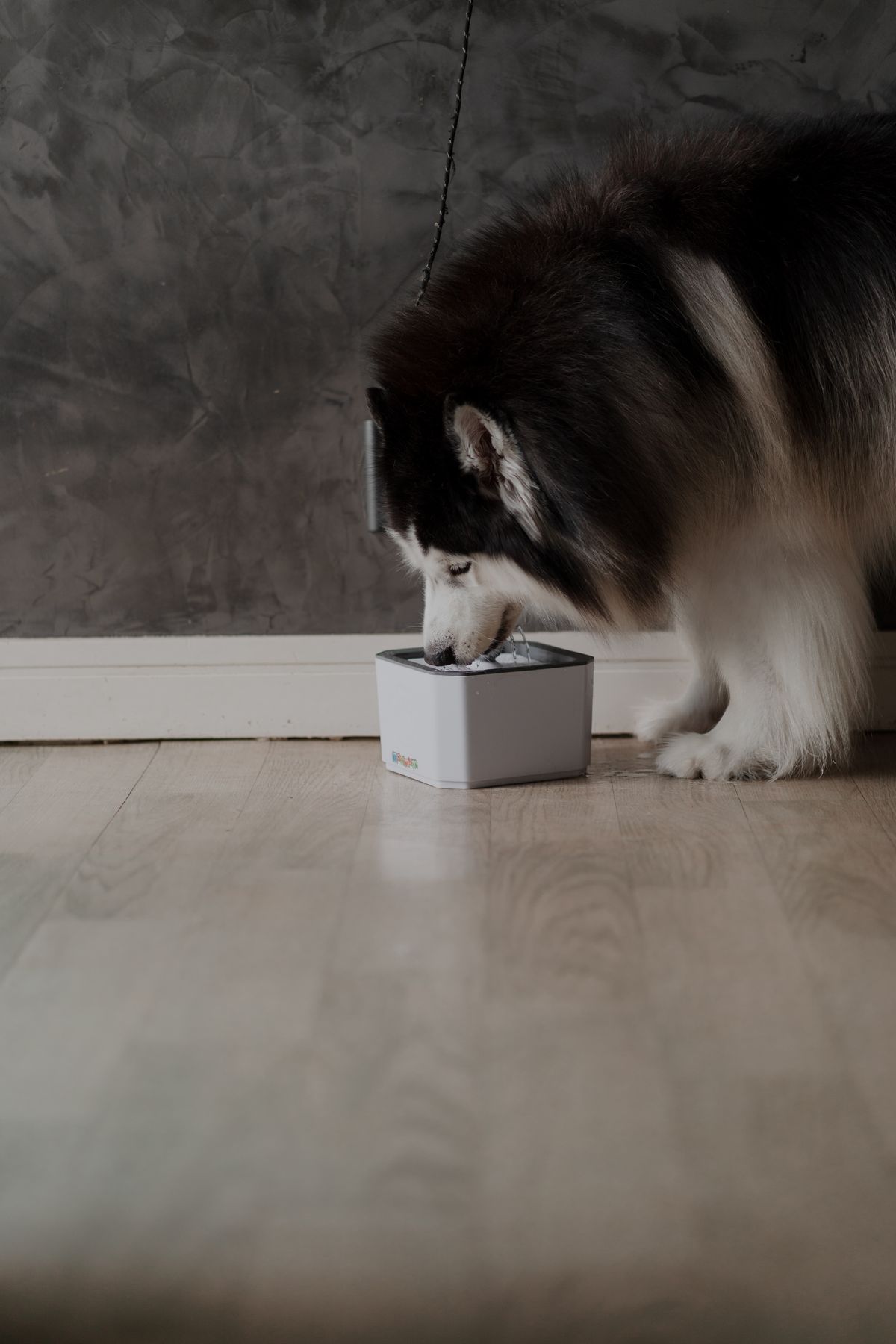
Smart fountains and waterers can make water more consistently available, but they still depend on fresh refills, clean drinking surfaces, reliable flow, suitable placement, and routine inspection.
CAT HYDRATION
Cats can have individual preferences around bowl shape, water movement, placement, noise, surrounding activity, and distance from feeding or litter areas. A smart fountain is most useful when the cat is comfortable using it consistently.


CLEANING & MAINTENANCE
Smart feeders and fountains contain more than the visible eating or drinking surface. Food pathways, reservoirs, removable trays, pumps, lids, seals, and filters can all become part of the maintenance routine depending on the product.
SIMPLE ROUTINE CHECK
Small recurring checks help automatic equipment remain useful without allowing convenience to hide problems in the routine.
Look at food and water levels, check what reached the bowl, observe the pet using the setup, and remove obvious residue.
Inspect reservoirs, hoppers, lids, seals, food movement, water flow, and the condition of surfaces inside the unit.
Reassemble carefully, check that every part is seated correctly, and confirm the product operates before relying on it again.
Verify food, water, power, connectivity, schedules, alerts, and a practical backup plan before leaving the normal routine unattended.
PETORYX SUPPORT
Questions about an automatic feeder, smart fountain, waterer, order, delivery, return, exchange, or general product use can come up at any point. Petoryx customer support is available 24/7.